Fireweed
2017 - 19
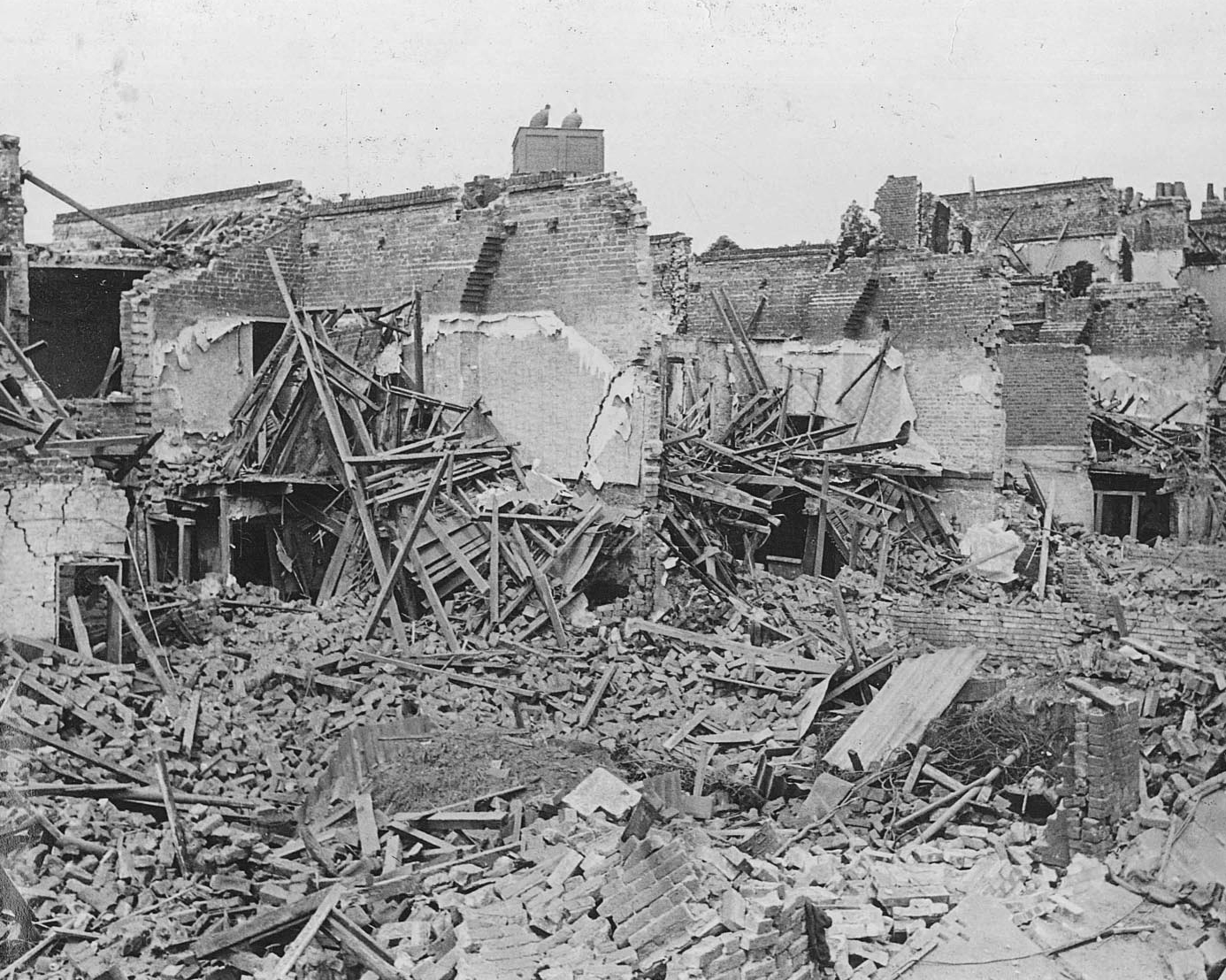
T.S. Eliot’s abstractions of post-war London landscapes - The Wasteland - inspired a series of elegies sketched during long walks along the River Lea. The dormant weeds appearing in the still life diptych were collected from the riverbed by Arcadia street in Poplar, a century after East London was heavily bombed during the First World War. Brian Dillon describes fireweed (Rosebay willow herb) as a symbol of both regeneration and decay. In turn, the weeping willows embody a lamenting figure.
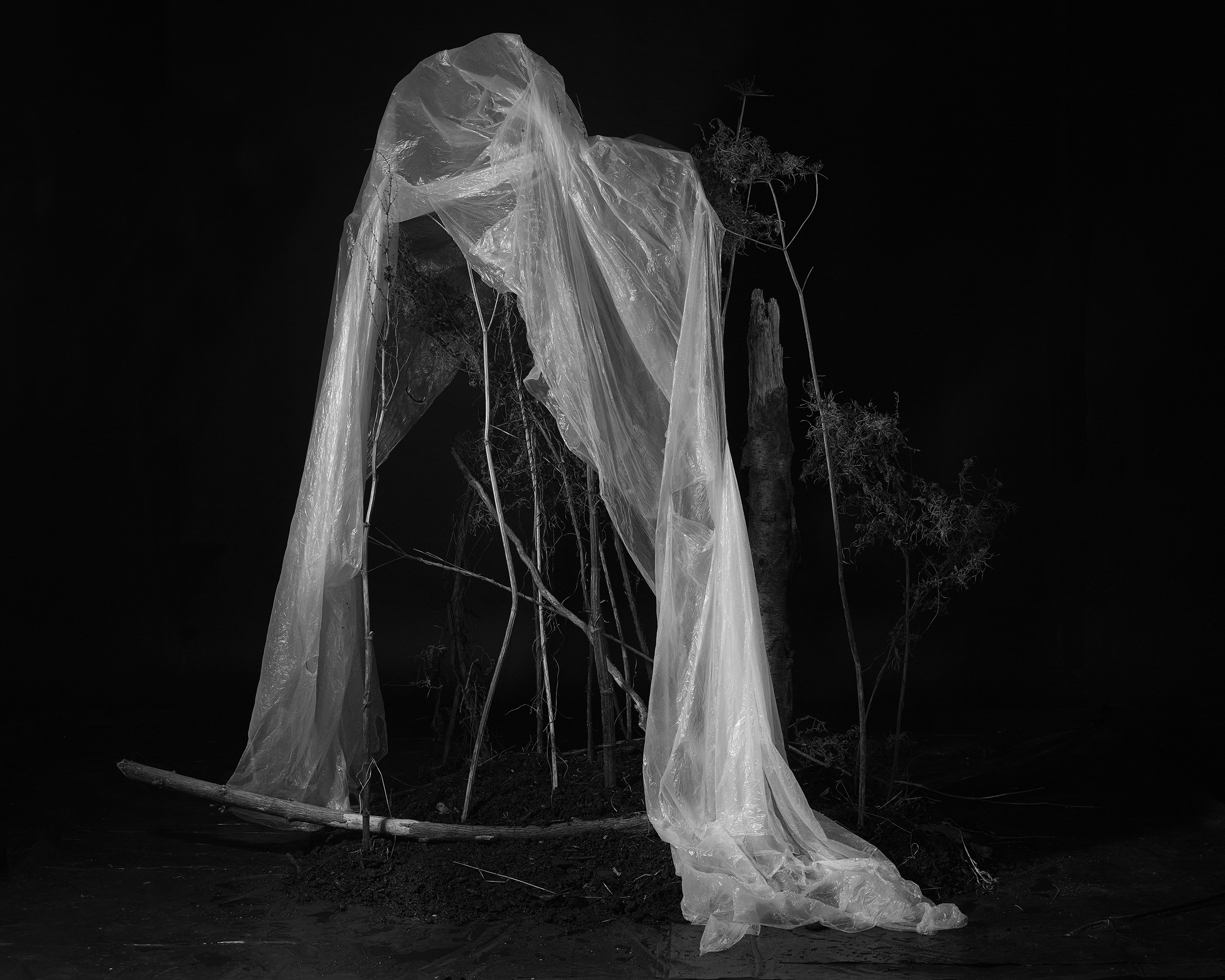

Fireweed. ‘Rosebay willow herb is a ruin-loving plant, the weed of decayed modernity. [...] the plant is a marker of disruption and decay, and grows on charred ground after forest fires have destroyed all other vegetation. So attuned is it to such sites that if it does not appear in the wake of a fire it is sometimes sown as to start the process of organic regeneration - it is a plant of hope as much as ruination. At the seminary, it seems to stand sentinel in rows about the buildings, as if gaily awaiting some ritual or celebration by which the complex might be brought back to life.’
‘Sanctuary’, Brian Dillon


Archive images credits
Fig.1: Arcadia Road after the bombings, 1919, Imperial War Museum Collection
Fig.2: The Menin Road, 1919, Paul Nash, oil on canvas, Imperial War Museum Collection
Fig.3: The Wasteland, T.S. Eliott